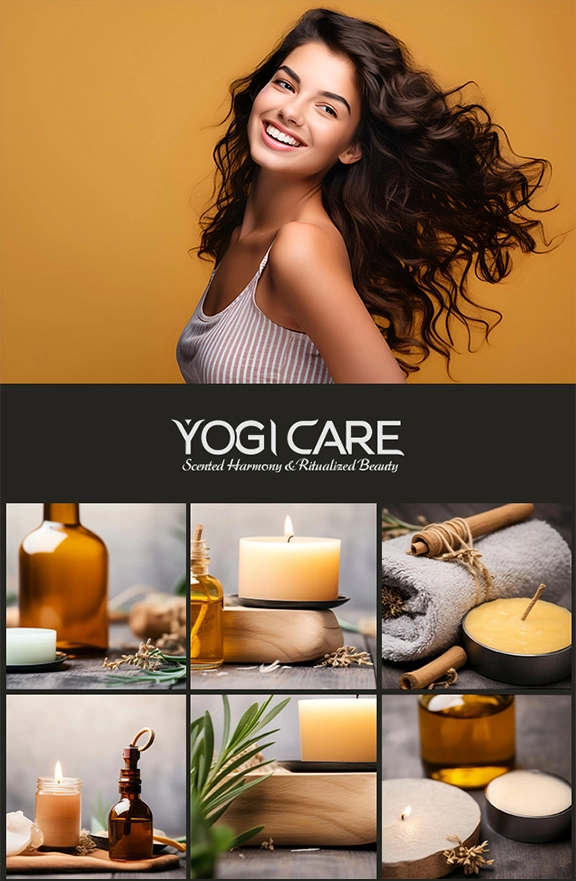
fragrance oil or essential oil? | YOGI CARE Guide
This article clarifies the distinctions between fragrance oils and essential oils, crucial for aromatherapy professionals. We explore their chemical makeup, therapeutic applications, and safety considerations, providing insights into responsible aromatherapy practices.
Fragrance Oils vs. Essential Oils: A Guide for Aromatherapy Professionals by YOGI CARE
This article clarifies the critical differences between fragrance oils and essential oils, addressing common points of confusion for aromatherapy professionals. Understanding these distinctions is crucial for safe and effective aromatherapy practice.
Understanding Fragrance Oils
- Composition: Fragrance oils are synthetic blends of aromatic compounds, often derived from petrochemicals, natural materials, or a combination. They are not pure plant extracts.
- Therapeutic Properties: Generally lack the documented therapeutic properties of essential oils, although some may possess mild skin conditioning effects.
- Cost: Typically less expensive than essential oils due to mass production and simpler manufacturing processes.
- Safety: May contain allergens or irritants. Always conduct patch tests before use and refer to the manufacturer's safety data sheet (SDS).
- Applications: Primarily used for scenting products like candles, soaps, and diffusers where therapeutic benefit is not the primary concern.
Understanding Essential Oils
- Composition: Essential oils are volatile aromatic compounds extracted from plants (flowers, leaves, bark, roots, etc.) through various methods like steam distillation, expression, or solvent extraction. They are complex mixtures of hundreds of chemical constituents.
- Therapeutic Properties: Many possess documented therapeutic benefits, such as antimicrobial, anti-inflammatory, or analgesic properties. However, rigorous scientific research is ongoing and varied amongst different oils.
- Cost: Generally more expensive due to the labor-intensive extraction processes and limited availability of raw materials.
- Safety: Can be potent and should be used with caution. Always dilute appropriately, perform patch tests, and follow safety guidelines. Consult reputable aromatherapy texts (e.g., The Complete Aromatherapy Handbook by Valerie Ann Worwood) for detailed information.
- Applications: Used in aromatherapy for their therapeutic properties, including massage, inhalation, topical application (when properly diluted), and in diffusers.
Key Differences Summarized
| Feature | Fragrance Oil | Essential Oil |
|---|---|---|
| Source | Synthetic or natural compounds, blended | Plant extracts |
| Composition | Simple or complex blend; often undisclosed | Complex mixture of hundreds of constituents |
| Therapeutic Properties | Generally lacks documented therapeutic properties | Often possesses documented therapeutic properties |
| Cost | Less expensive | More expensive |
| Safety | May contain allergens or irritants | Potent; requires careful handling and dilution |
Choosing the Right Oil for Your Application
The choice between fragrance and essential oils depends entirely on the intended application. For purely aesthetic scenting, fragrance oils are suitable. However, for therapeutic aromatherapy practices, essential oils are necessary due to their complex chemical composition and potential therapeutic benefits. Always prioritize safety and refer to reputable sources for detailed information on the specific oils you are using.
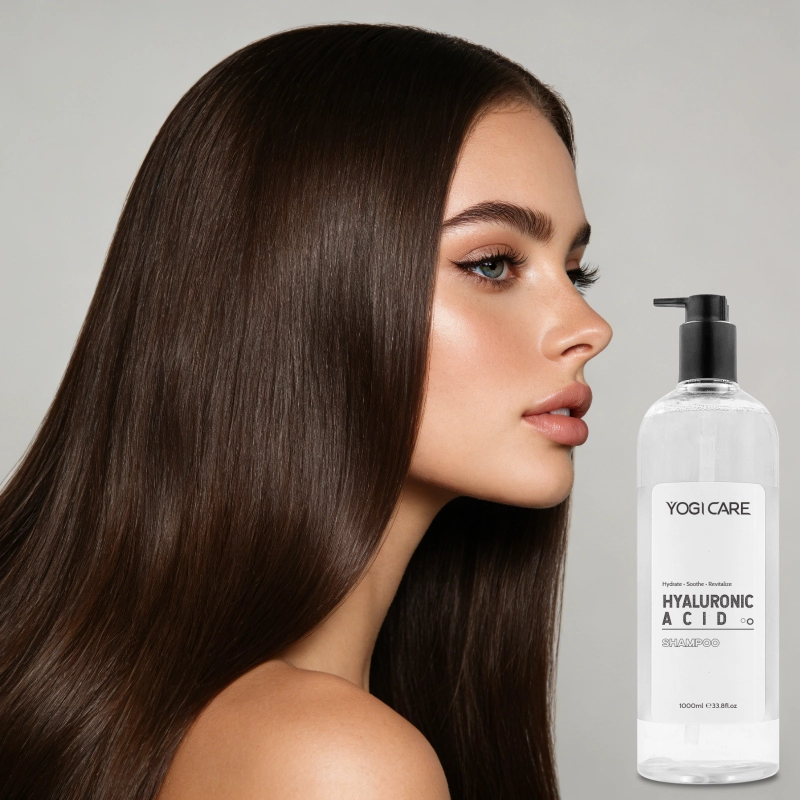
YOGI CARE Hyaluronic Acid Sulfate-Free Shampoo
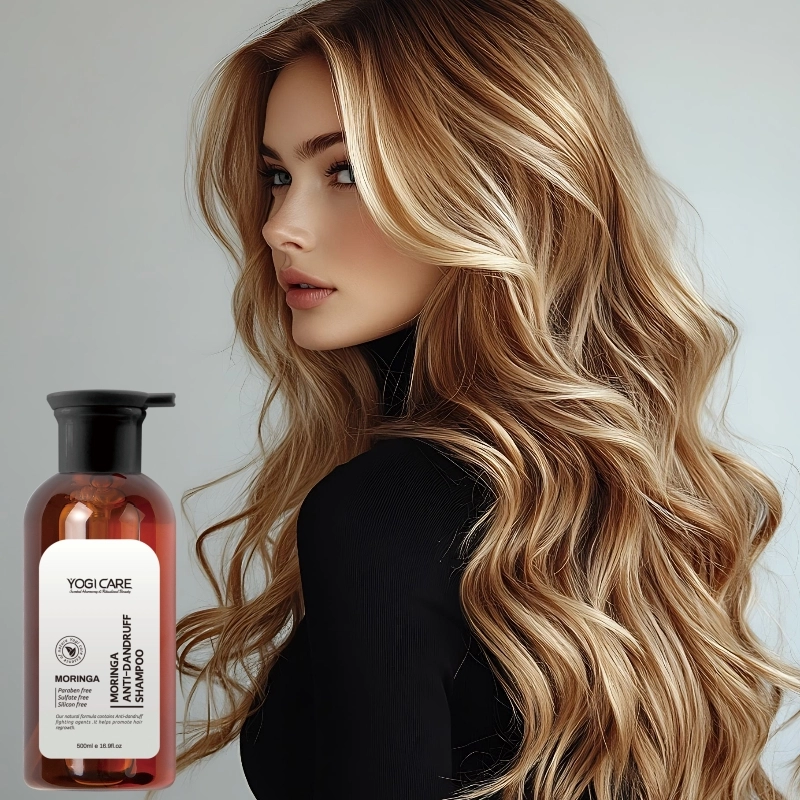
YOGI CARE Moringa Seed Anti-Dandruff Shampoo
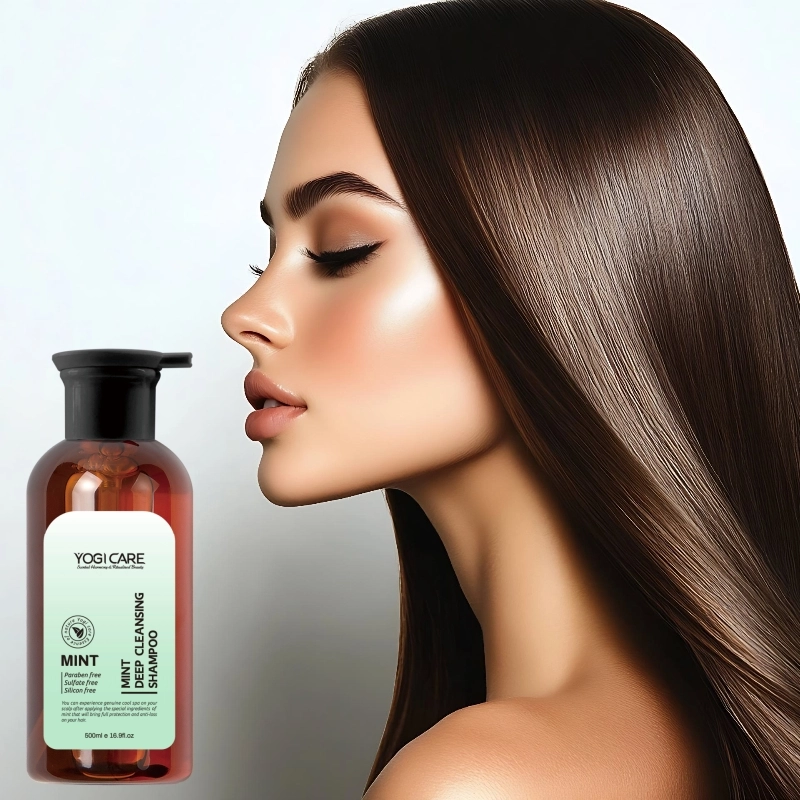
YOGICARE Sulfate-Free Mint Shampoo:Pure Cleansing with a Refreshing Mint Touch

YOGI CARE 9s Amino Acid Hair Treatment: Intensive Repair for Silky, Healthy Hair
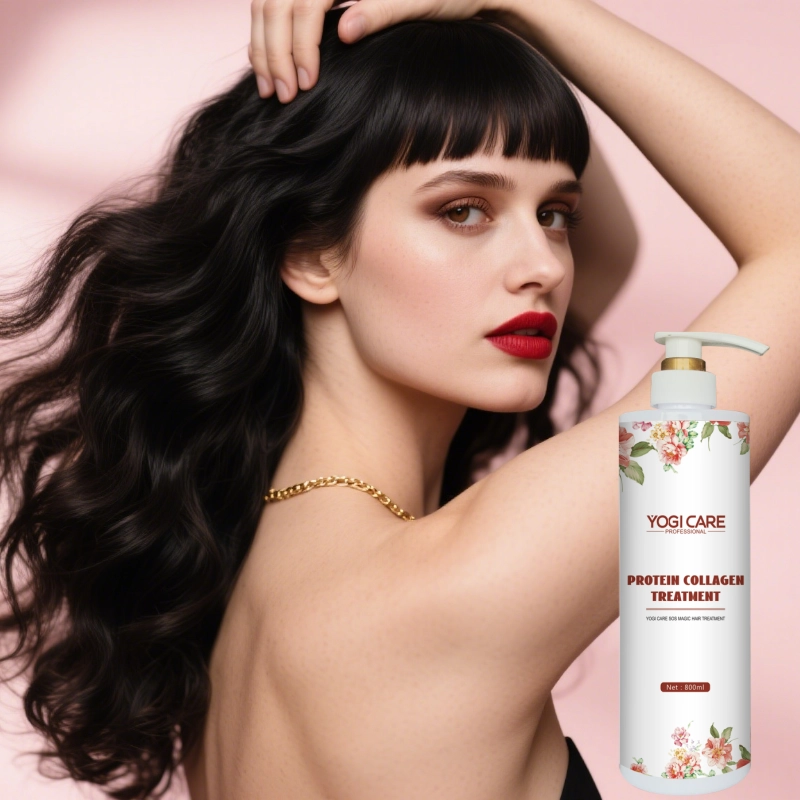
Restore Strength in Minutes with YOGI CARE HAS Protein Rapid Repair Conditioner
For Products
What hair treatment products safety and quality certifications does YOGI CARE have?
Hair treatment brand YOGI CARE adheres to strict quality control standards and holds certifications such as ISO, GMP, and FDA to ensure all products meet international safety and quality standards. YOGI CARE also comply with all relevant cosmetic product regulations in the regions where we operate.
After-Sales Support
Do YOGI CARE offer wholesale organic hair care products guarantees?
Yes, YOGI CARE stands by the quality of YOGI CARE's wholesale hair products and offers a satisfaction guarantee.
How can I get support after hairdresser products wholesale?
For any inquiries or support, feel free to contact our customer service team via email or phone.
Solutions
Do YOGI CARE offer damaged hair treatment products solutions for damaged hair?
Yes, hair care private label YOGI CARE provides specialized treatments for repairing and revitalizing damaged hair.
For Company
Are YOGI CARE's products cruelty-free?
Yes, YOGI CARE's products are cruelty-free and not tested on animals.
How long have YOGI CARE been in business?
YOGI CARE have been providing high-quality aromatherapy hair care solutions for over 10 years, dedicated to innovation and customer satisfaction.
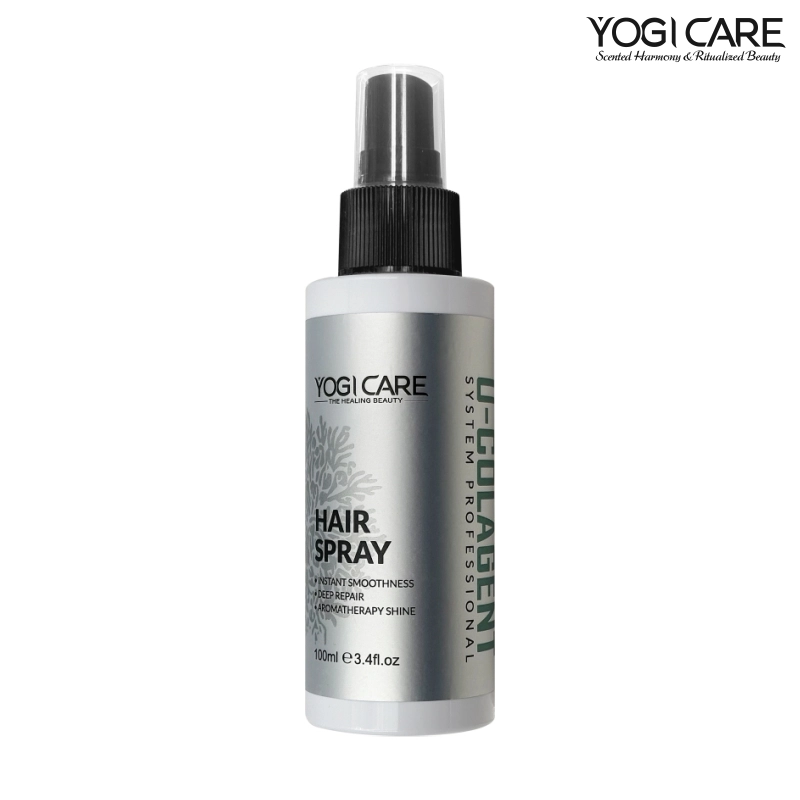
YOGI CARE Amino Acid Hair Spray
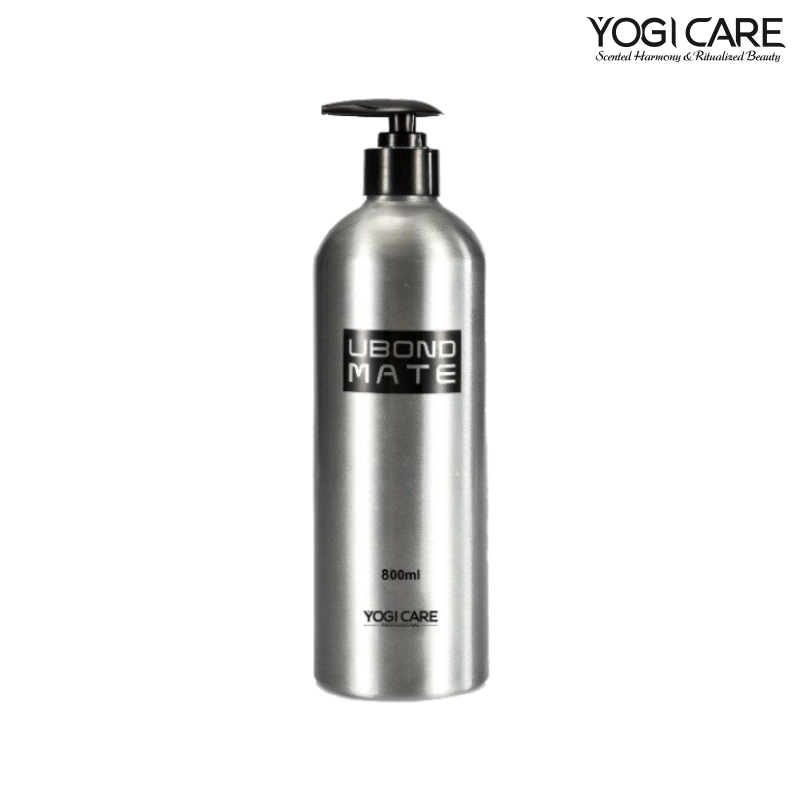
Yogi Care Ubond Mate for Hair Repairing
Introducing YOGI CARE's Yogi Care Ubond Mate, the ultimate solution for hair repairing. This innovative formula revitalizes and strengthens damaged hair, ensuring a silky, smooth finish. Trust Ubond Mate for unmatched hair repair. Discover the transformative power of YOGI CARE today!
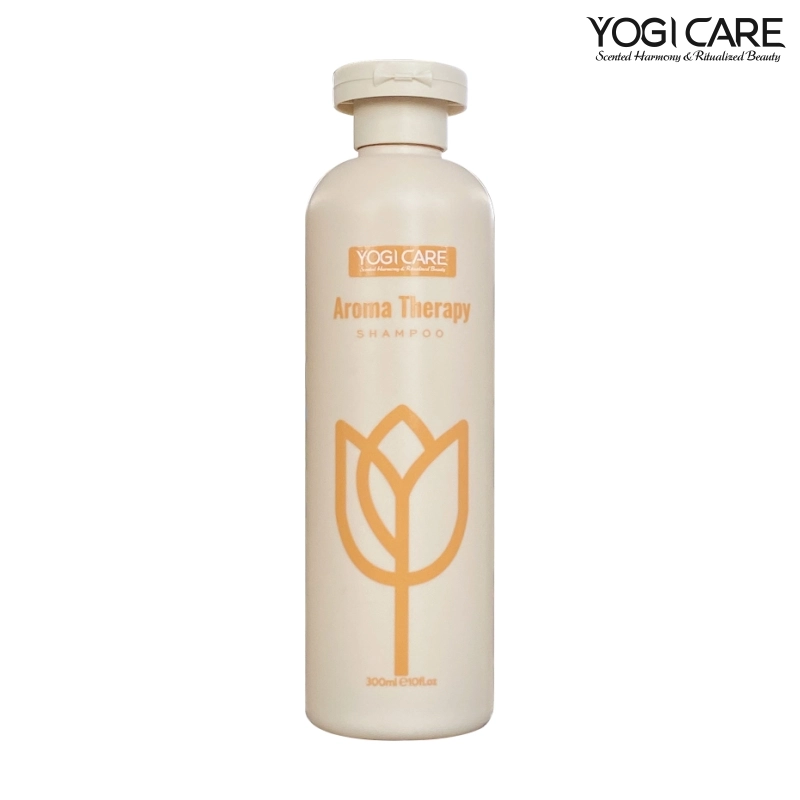
Yogi Care Aroma Shampoo
Yogi Care Aromatherapy Shampoo is designed to deliver a luxurious and soothing hair care experience by blending the benefits of essential oils with high-quality ingredients. Infused with botanical extracts and aromatherapeutic fragrances, this shampoo gently cleanses the scalp and hair while promoting relaxation and overall well-being. Key ingredients, such as natural oils like Argania Spinosa (argan) oil and Persea Gratissima (avocado) oil, work to nourish and hydrate hair, leaving it soft, smooth, and manageable. Additionally, the presence of aromatic essences creates a calming spa-like experience, making it ideal for those seeking both hair care and mental relaxation. Suitable for all hair types, this shampoo can be used daily to maintain healthy, shiny hair while indulging in the therapeutic benefits of aromatherapy.
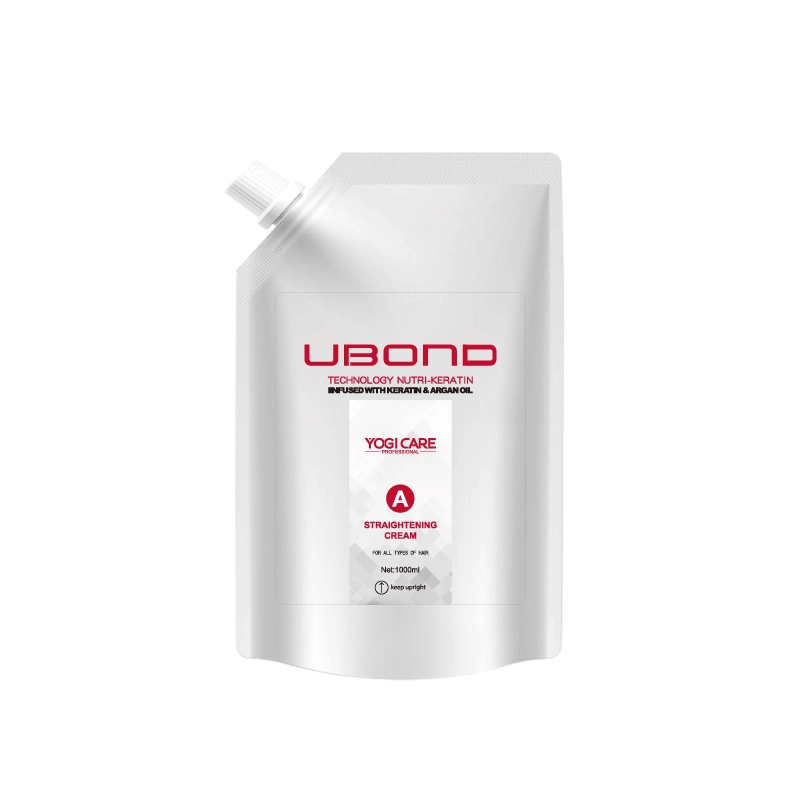
Yogi Care Ubond Hair Straightening Cream A



© 2025 YOGI CARE All Rights Reserved.